

Home – Blog Watching your little one take their first steps is one of the most memorable moments for any parent. However, some parents might notice their child walking on their toes rather than placing their feet flat on the ground. This is known as toe walking, and while it’s common in early walkers, persistent toe walking beyond the age of 2 or 3 may need medical attention. According to Dr. Atul Bhaskar, a leading pediatric orthopedic surgeon in Mumbai and Thane, early evaluation is important to rule out any underlying issues and guide appropriate treatment. What is Toe Walking? Toe walking is a gait abnormality where a child walks on the balls of their feet without their heels touching the ground. It’s often seen in toddlers who are just learning to walk. In many cases, it resolves on its own as the child grows. However, if the habit continues past the age of 2–3 years, it may be a sign of an underlying issue that needs evaluation by a pediatric orthopedic surgeon in Mumbai and Thane. Common Causes of Toe Walking Toe walking can be either habitual (idiopathic) or due to medical conditions. Understanding the cause is the first step in managing the condition effectively. 1. Idiopathic Toe WalkingThis is the most common type, where children walk on their toes without any neurological or orthopedic disorder. These children often have normal strength, coordination, and muscle tone. Idiopathic toe walking may be more about habit than a structural issue, especially in children over the age of 3. 2. Tight Achilles Tendon or Calf MusclesIn some children, shortened muscles or tendons in the calf region can limit the ankle’s ability to flex, leading to toe walking. This condition can gradually worsen if left untreated. 3. Cerebral PalsyToe walking can be a symptom of cerebral palsy, a neurological disorder that affects movement and muscle tone. Children with cerebral palsy may have stiff muscles (spasticity), poor coordination, and difficulty with balance. 4. Autism Spectrum Disorder (ASD)Children on the autism spectrum may toe walk due to sensory processing issues or delayed motor development. Toe walking alone doesn’t mean a child has autism, but if it is accompanied by other signs of ASD, a developmental evaluation is essential. 5. Muscular DystrophyThis is a rare cause, but muscular dystrophy can lead to progressive muscle weakness and toe walking due to calf muscle contractures. Signs and Symptoms to Watch For Parents should consider seeking medical advice if: Toe walking continues beyond age 2 or 3 The child has tight calf muscles or limited ankle movement Walking appears stiff or unbalanced The child avoids letting their heels touch the ground There is a family history of neuromuscular conditions Delays in other developmental milestones are observed Early diagnosis and intervention are crucial to prevent long-term complications and promote normal gait development. How is Toe Walking Diagnosed? Diagnosis starts with a detailed clinical evaluation by a pediatric orthopedic surgeon in Mumbai and Thane. The doctor will: Review the child’s medical and developmental history Perform a physical examination to check for tight muscles or contractures Evaluate walking patterns and foot structure Assess neurological function Order imaging tests like X-rays or MRI if structural abnormalities are suspected In some cases, referral to a neurologist, developmental pediatrician, or physical therapist may also be necessary. Treatment Options for Toe Walking The treatment plan depends on the underlying cause and the severity of the condition. Here are the most commonly recommended options: 1. Observation and MonitoringFor idiopathic toe walking in toddlers, a wait-and-watch approach may be taken. Regular follow-ups help ensure the condition resolves naturally over time. 2. Stretching ExercisesA home exercise program or supervised physical therapy can help stretch the calf muscles and Achilles tendon. These are effective in improving flexibility and promoting heel-to-toe walking. 3. Serial CastingFor children with tight muscles or limited ankle motion, serial casting can help. This involves applying a series of casts over several weeks to gradually stretch the muscles and improve foot positioning. 4. Ankle-Foot Orthoses (AFOs)These custom braces support proper ankle and foot alignment, especially during walking and sleep. They help reinforce correct walking patterns and prevent further muscle shortening. 5. Botox InjectionsBotulinum toxin (Botox) may be injected into the calf muscles to temporarily reduce muscle stiffness and improve range of motion. This is often combined with physical therapy. 6. SurgeryIf conservative measures fail and the child has persistent tightness or fixed contractures, surgical lengthening of the Achilles tendon may be considered. Surgery is typically recommended only in older children or severe cases. When to See a Specialist If your child is toe walking persistently, it’s essential to consult a qualified pediatric orthopedic surgeon in Mumbai and Thane. Early assessment can help identify whether the cause is benign or associated with a more serious condition. Timely treatment can prevent future complications like joint problems, balance issues, or abnormal gait mechanics. Toe walking can be a normal developmental phase in toddlers, but persistent toe walking beyond the early years should not be ignored. Whether it’s due to habit, tight muscles, or a neurological condition, proper evaluation and timely intervention are key. With expert guidance from Dr. Atul Bhaskar, an experienced pediatric orthopedic surgeon in Mumbai and Thane, most children can achieve normal walking patterns and avoid long-term issues. If you notice signs of toe walking in your child, don’t hesitate to schedule a consultation and take the first step towards healthy growth and development

Pediatric Orthopedic Emergency: When to Seek Immediate Medical Attention
Home – Blog As parents, our top priority is ensuring the safety and well-being of our children. However, accidents and injuries are sometimes unavoidable, especially when it comes to orthopedic issues. While minor bruises and sprains can often be managed at home, certain orthopedic injuries require immediate medical attention. Understanding when to seek emergency care can make a significant difference in preventing long-term complications. Dr. Atul Bhaskar, a renowned pediatric orthopedic doctor in Mumbai and Thane, highlights the key signs of orthopedic emergencies in children and the importance of prompt intervention. Common Pediatric Orthopedic Emergencies 1. Fractures (Broken Bones) Children are naturally active and adventurous, which makes them prone to falls and fractures. While some fractures can be managed with a cast, certain types require urgent medical care, such as: Open fractures (where the bone pierces the skin) Fractures with severe swelling or deformity Fractures accompanied by numbness, tingling, or inability to move the limb If your child has sustained a suspected fracture, immobilize the affected limb and seek emergency care immediately. 2. Dislocations A dislocation occurs when the bones in a joint are forced out of their normal position. Common sites for dislocations include the shoulder, elbow, and knee. Symptoms include: Severe pain and swelling Deformity of the joint Inability to move the affected limb Never attempt to relocate the joint yourself. Instead, rush to a pediatric orthopedic specialist like Dr. Atul Bhaskar for proper treatment. 3. Growth Plate Injuries The growth plates in a child’s bones are responsible for proper development. Any injury to these areas can affect growth and lead to deformities if left untreated. Warning signs include: Pain near the joints after trauma Swelling and tenderness around the affected area Difficulty in movement Since these injuries can impact a child’s bone development, seeking expert evaluation from a pediatric orthopedic doctor in Mumbai and Thane is crucial. 4. Severe Sprains and Ligament Injuries While mild sprains can be managed with rest and ice, severe ligament injuries require immediate medical attention. Signs of a serious ligament injury include: Persistent pain and instability Swelling and bruising around the joint Difficulty bearing weight Early intervention can prevent long-term joint instability and chronic pain. 5. Compartment Syndrome This is a rare but serious condition that occurs when swelling within a muscle compartment restricts blood flow. It often follows a severe injury, like a fracture. Symptoms include: Intense pain that doesn’t subside with painkillers Swelling and tightness in the affected area Numbness or weakness in the limb Compartment syndrome is a medical emergency that requires immediate surgery to prevent permanent muscle and nerve damage. 6. Septic Arthritis and Osteomyelitis (Bone and Joint Infections) Infections in the bone or joints can be life-threatening if not treated promptly. Symptoms to watch for include: High fever with severe pain in a joint Swelling and redness in the affected area Difficulty moving the joint Early diagnosis and treatment with antibiotics or surgical drainage are necessary to prevent long-term complications. When to Seek Immediate Medical Attention? Parents should take their child to a pediatric orthopedic doctor in Mumbai and Thane like Dr. Atul Bhaskar if they notice any of the following: Visible deformity in a limb or joint Severe pain and inability to move the limb Open wounds with exposed bones Swelling with high fever Persistent numbness or tingling in the injured area How a Pediatric Orthopedic Specialist Can Help Pediatric orthopedic conditions require specialized care. Dr. Atul Bhaskar is an experienced pediatric orthopedic doctor in Mumbai and Thane who provides expert diagnosis and treatment for children with orthopedic emergencies. From fractures and dislocations to infections and growth plate injuries, his expertise ensures the best outcomes for young patients. Children are prone to injuries, but timely medical attention can prevent complications and ensure a full recovery. Parents should be vigilant about signs of serious orthopedic conditions and seek immediate care when necessary. If your child experiences an orthopedic emergency, do not hesitate to consult Dr. Atul Bhaskar, a trusted pediatric orthopedic doctor in Mumbai and Thane, for the best possible treatment.
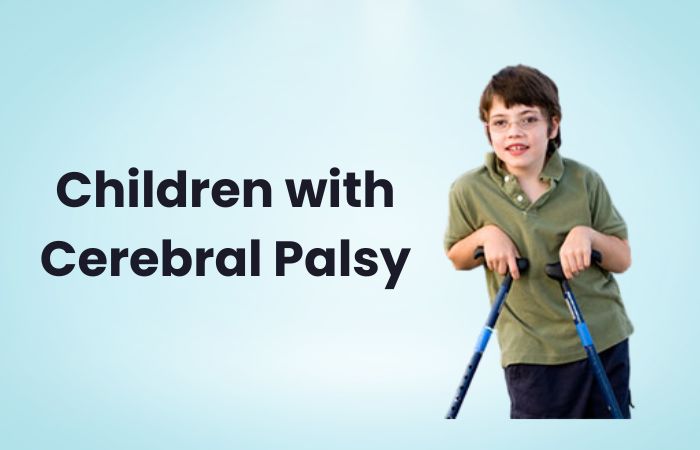
Types of Gait Abnormalities in Children with Cerebral Palsy
Home – Blog Cerebral palsy (CP) is a group of neurological disorders affecting movement, muscle tone, and posture. Children with CP often experience gait abnormalities due to spasticity, muscle weakness, and joint deformities. Identifying these gait patterns is crucial for developing effective treatment plans, which may include physiotherapy, orthotic support, medications, or surgical intervention. Cerebral Palsy treatment in Mumbai and Thane, provided by experts like Dr. Atul Bhaskar, can help assess and manage these gait abnormalities to improve a child’s mobility and quality of life. Common Types of Gait Abnormalities in Cerebral Palsy 1. Spastic Hemiplegic Gait Children with spastic hemiplegia exhibit asymmetrical walking patterns due to muscle stiffness on one side of the body. Characteristics include: Toe-walking due to calf muscle spasticity Circumduction gait (leg swings outward) Decreased arm swing on the affected side Foot drop, leading to difficulty clearing the ground 2. Spastic Diplegic Gait (Scissoring Gait) This gait pattern is commonly seen in children with spastic diplegia, affecting both lower limbs. Features include: Excessive hip adduction causing legs to cross (scissoring motion) Increased knee flexion leading to a crouched posture Toe-walking due to tight calf muscles Difficulty with balance and coordination 3. Spastic Quadriplegic Gait Spastic quadriplegia affects all four limbs and is the most severe form of CP. Gait characteristics include: Poor balance and coordination Increased knee and hip flexion, leading to a crouched gait Difficulty with weight-bearing, often requiring assistive devices Limited mobility, with many children relying on wheelchairs 4. Crouch Gait Crouch gait is common in older children with CP, particularly those with spastic diplegia. It results from progressive muscle weakness and contractures. Features include: Excessive knee and hip flexion Increased ankle dorsiflexion Weakness in the hamstrings and calf muscles Energy-intensive walking, leading to fatigue 5. Equinus Gait (Toe-Walking Gait) Equinus gait occurs when a child primarily walks on their toes due to tight calf muscles. It is seen in: Spastic diplegia and hemiplegia Children with Achilles tendon contracture Cases where there is overactivity of the gastrocnemius muscle 6. Jump Gait Jump gait is characterized by excessive knee and hip flexion along with toe-walking. This pattern is caused by overactivity in the hip flexors and calf muscles. Children may also demonstrate a forward-leaning posture due to weak trunk control. 7. Stiff-Knee Gait In this pattern, knee movement is restricted due to quadriceps spasticity, making it difficult for the child to clear the ground while walking. Features include: Reduced knee flexion during the swing phase Compensatory hip movement to aid forward progression Frequent tripping and stumbling 8. Ataxic Gait Ataxic gait is seen in children with ataxic cerebral palsy, which affects balance and coordination. Features include: Unsteady, wide-based walking Difficulty maintaining a straight line Frequent falls due to poor motor control 9. Trendelenburg Gait This gait abnormality results from hip abductor weakness, causing the pelvis to drop on the unaffected side during walking. Features include: A lurching movement toward the affected side Difficulty maintaining stability Increased energy expenditure while walking 10. Steppage Gait Steppage gait is characterized by excessive lifting of the legs to compensate for foot drop. Children with this gait may struggle with: Poor dorsiflexion control Frequent stumbling due to inability to clear the toes Increased hip and knee flexion to compensate for weak ankle muscles Management and Treatment Gait abnormalities in children with CP require a multidisciplinary approach. Cerebral Palsy treatment in Mumbai and Thane includes care from specialists like Dr. Atul Bhaskar, physiotherapists, and rehabilitation experts. Common treatment strategies include: Physiotherapy: Stretching, strengthening exercises, and gait training Orthotic Devices: Ankle-foot orthoses (AFOs) to support foot alignment and stability Medications: Muscle relaxants such as botulinum toxin injections to reduce spasticity Surgical Interventions: Procedures like tendon lengthening, selective dorsal rhizotomy (SDR), or osteotomies to correct deformities and improve function Assistive Devices: Walkers, crutches, or wheelchairs for mobility support Recognizing gait abnormalities in children with cerebral palsy is essential for early intervention and effective management. Cerebral Palsy treatment in Mumbai and Thane, led by experts like Dr. Atul Bhaskar, offers personalized treatment options to enhance mobility and overall quality of life. With appropriate medical care, therapy, and support, children with CP can achieve improved independence and functional mobility.
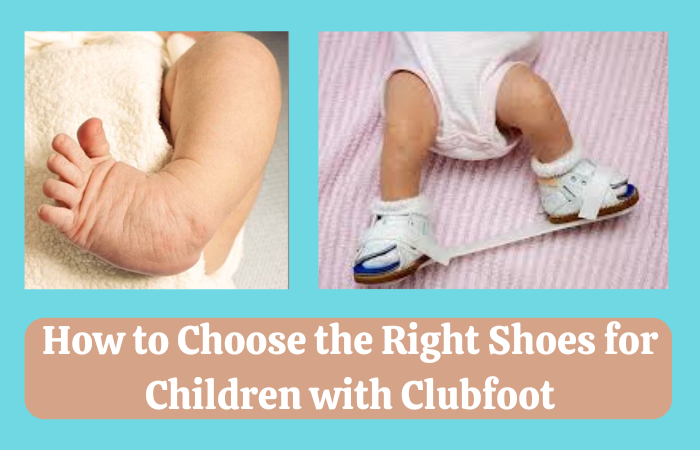
How to Choose the Right Shoes for Children with Clubfoot
Home – Blog Clubfoot, or congenital talipes equinovarus, is a common congenital deformity where one or both feet are turned inward and downward. Early intervention, typically involving the Ponseti method—a series of gentle manipulations and casting—can correct the deformity. Post-treatment, selecting appropriate footwear is crucial to maintain correction and support your child’s development. Understanding Post-Treatment Footwear Needs After initial correction, maintaining the achieved foot position is essential. This often involves the use of a foot abduction brace, commonly known as Denis Browne splints, which keep the feet in an outward position to prevent relapse. Once the bracing period concludes, transitioning to regular shoes requires careful consideration. Key Factors in Selecting Shoes for Children with Clubfoot 1. Proper Fit Ensure the shoes fit well, providing ample room for toe movement without being too loose. Avoid shoes that are too tight, as they can cause discomfort and impede proper foot development. Measure your child’s feet regularly, as their size may change quickly during growth phases. 2. Supportive Structure Choose shoes with a firm heel counter to maintain foot alignment. Look for adequate arch support to promote a balanced and natural gait. Avoid shoes with overly rigid soles that can restrict movement. 3. Flexibility The sole should be flexible at the ball of the foot, allowing natural movement. The shoe should bend at the toes but still provide some resistance for stability. 4. Lightweight Material Light materials reduce strain on the feet and enhance comfort. Breathable fabrics such as mesh or leather help keep feet cool and dry. 5. Adjustability Velcro straps, laces, or buckles allow for custom fitting, accommodating foot shape variations. Adjustable features help maintain comfort, especially if swelling occurs. 6. Non-Slip Soles Shoes should have a textured, non-slip sole to prevent falls. Rubber or grooved soles provide better traction and stability. Special Considerations for Orthopedic Shoes In some cases, children with clubfoot may need orthopedic shoes designed specifically to address their needs. Features of orthopedic shoes include: Customized insoles for arch support and pressure distribution. Extra depth and width to accommodate any residual deformity or swelling. Reinforced heel and ankle support to maintain proper foot alignment. High-top designs to provide additional stability to the ankle. If standard shoes do not provide adequate support, consulting a specialist for custom orthotic solutions is recommended. Signs That Indicate a Need for New Shoes Since children grow quickly, parents must monitor their footwear regularly. Here are some signs that indicate the need for new shoes: Your child complains of foot pain or discomfort while walking. Shoes show excessive wear on one side, indicating uneven pressure distribution. Red marks, blisters, or calluses develop due to poor fit. Toes are cramped or pressing against the front of the shoe. The heel slips out, suggesting a loose fit. When to Consult a Pediatric Orthopedic Doctor Regular follow-ups with a pediatric orthopedic doctor are essential to monitor your child’s progress. Seek medical advice if: The foot starts turning inward again. Your child experiences pain or difficulty walking. There is noticeable limping or an altered walking pattern. The current shoes do not seem to provide adequate support. For expert guidance, consider consulting Dr. Atul Bhaskar, a renowned pediatric orthopedic doctor in Mumbai and Thane. With extensive experience in treating clubfoot, Dr. Bhaskar can provide personalized care to ensure your child’s optimal foot health. Choosing the right footwear plays a pivotal role in supporting children with clubfoot. By focusing on fit, support, and regular medical consultations, you can help your child lead an active and healthy life. Investing in the right shoes not only provides comfort but also ensures long-term stability and mobility for your child.
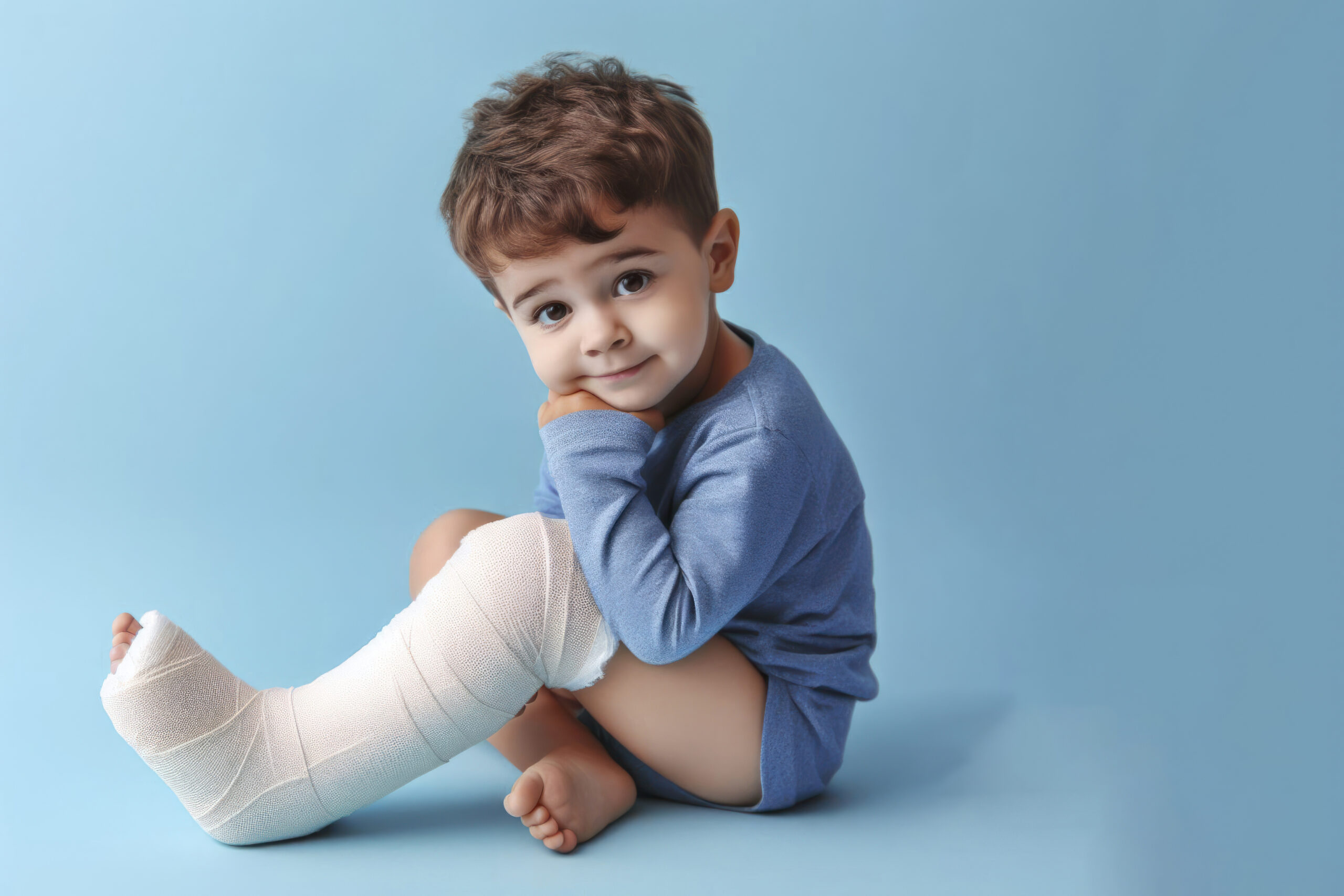
A Parent’s Guide to Pediatric Fractures: What to Expect
Home – Blog Fractures are a common childhood injury, often caused by falls, sports, or accidents. While most pediatric fractures heal well with proper treatment, understanding what to expect can ease parental anxiety. This guide will walk you through the diagnosis, treatment, and recovery process to ensure your child gets the best possible care. Understanding Pediatric Fractures Children’s bones are different from adults’—they are softer, more flexible, and have growth plates that allow them to grow. This means fractures in children often heal faster but may require special attention to avoid long-term issues. Common Types of Pediatric Fractures Greenstick Fracture: A partial break where the bone bends but doesn’t fully snap. Torus (Buckle) Fracture: A stable fracture where the bone compresses but remains intact. Complete Fracture: The bone breaks completely into two pieces. Growth Plate Fracture: A break in the soft areas at the ends of bones, requiring careful management. Stress fracture: A small crack due to repetitive stress, common in young athletes. Symptoms of a Fracture While some fractures are obvious due to deformity or an inability to move the affected limb, others may be subtle. Look for these signs: Swelling and bruises Pain that worsens with movement Difficulty using the affected limb A visible bump or misalignment Tenderness at the site of injury If you suspect a fracture, seek immediate medical attention from an pediatric orthopedic surgeon in Mumbai and Thane for accurate diagnosis and treatment. Diagnosis and Treatment How is a fracture diagnosed? Doctors use physical examinations and imaging techniques such as X-rays to assess the type and severity of the fracture. In some cases, MRI or CT scans may be needed for a detailed view. Treatment Options Treatment depends on the type and severity of the fracture. Common options include: Casting or Splinting: Most minor fractures heal well with a cast or splint to immobilize the bone. Closed Reduction: If the bones are misaligned, the doctor may gently reposition them before applying a cast. Surgery: Severe fractures or growth plate injuries may require surgical intervention using pins, plates, or screws. Recovery and Healing How Long Does It Take to Heal? Children’s bones heal faster than adults’. Depending on the fracture type: Minor fractures: 3-6 weeks Moderate fractures: 6-8 weeks Severe fractures: 8+ weeks Tips for a Smooth Recovery Ensure your child follows the doctor’s instructions regarding cast care and activity restrictions. Encourage a balanced diet rich in calcium and vitamin D for optimal bone healing. Attend follow-up visits to monitor progress and ensure proper healing. Preventing Future Fractures While not all accidents can be avoided, you can take steps to reduce the risk: Teach children safe play habits and proper sports techniques. Ensure they wear protective gear when playing sports. Provide a nutritious diet to support strong bone development. When to Consult an Expert If your child experiences persistent pain, difficulty moving a limb, or visible deformity, consult a trusted pediatric orthopedic surgeon in Mumbai and Thane. Early intervention ensures proper healing and prevents complications. Expert Pediatric Orthopedic Care with Dr. Atul Bhaskar Consider consulting Dr. Atul Bhaskar, a highly experienced orthopedic surgeon in Mumbai and Thane for specialized pediatric orthopedic care. With expertise in managing pediatric fractures, growth plate injuries, and complex orthopedic conditions, he provides compassionate and effective treatment for children. Pediatric fractures, while common, require prompt attention and expert care. Understanding the process and choosing the right orthopedic specialist can significantly affect your child’s recovery. If your child has suffered a fracture, seek expert guidance from Dr. Atul Bhaskar for the best care and long-term bone health. For appointments and expert consultation, reach out to Dr. Atul Bhaskar today